Solder Paste Thickness Gauge Functionality Exploration: The Core Technology of Electronic Intelligent Manufacturing Industry

2024-10-30

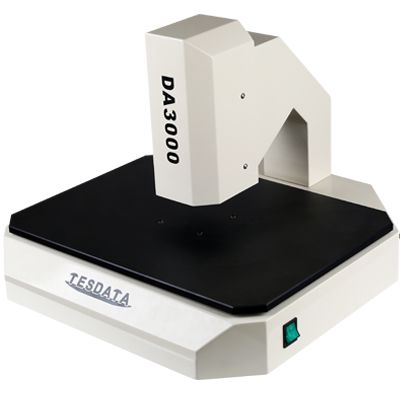
Tin paste thickness gauge function to explore the secret: the core technology of electronic intelligent manufacturing industry In the electronic intelligent manufacturing industry, the function of the solder paste thickness gauge is like a secret weapon. Whether in the production line or R & D laboratory, it plays an indispensable role. So, have you ever wondered how the solder paste thickness gauge actually realizes its accurate measurement? Today, let's explore this topic in depth. The basic principle of solder paste thickness gauge The working principle of a solder paste thickness gauge is not really complicated. It is able to accurately measure the thickness of the solder paste layer through technologies such as ultrasound, laser or electromagnetic waves. It's like using a ruler to measure the length of an object, but a solder paste thickness gauge takes a more high-tech approach to “customizing” each layer of solder paste. You may wonder why the thickness of the solder paste is so important. In the soldering process of electronic components, the thickness of the solder paste directly affects the firmness and stability of the solder. If the paste is too thick, it can lead to short circuits; if it is too thin, it may not ensure a good connection. Think of your cell phone, every little part inside needs to be perfectly soldered, and the solder paste thickness gauge is the “guardian” to ensure this. Core Functions of a Solder Paste Thickness Gauge The core functions of the solder paste thickness gauge are mainly reflected in the following aspects: 1. Accurate measurement Whether you are producing large quantities of electronic components or testing small quantities, a solder paste thickness gauge can provide highly accurate measurements. Such accuracy is like a good tailor, can ensure that every inch of fabric cut flawless. 2. Real-time monitoring During the production process, the Paste Thickness Gauge monitors the thickness of the solder paste in real time to ensure that every solder joint is within the standard range. Think of it like a meticulous chef, constantly checking the heat of each dish to make sure that the final dish on the table is perfect. 3. Data Recording and Analysis Modern solder paste thickness gauges not only measure, but also record and analyze data. It's like a personal assistant that helps you organize and analyze every detail of your work, allowing you to make better decisions in subsequent production. The importance of solder paste thickness gauge in practical applications In the electronics manufacturing industry, the application of solder paste thickness gauge is not only limited to the production line. It also plays a vital role in the research and development stage. By knowing the thickness of the solder paste in advance, R&D teams can better design circuit boards and soldering processes, thus saving time and costs. At the same time, solder paste thickness gauges can also help companies realize quality control. Imagine if there is no solder paste thickness gauge, the production of the product may be due to unqualified paste thickness and lead to a lot of rework, which is undoubtedly a huge loss for the enterprise. Future development trend As technology continues to advance, the functionality of solder paste thickness gauges is also evolving. Today, some high-end models have integrated AI technology, which is able to continuously optimize the measurement process through machine learning. This is like putting an intelligent “brain” into the solder paste thickness gauge, allowing it to not only measure accurately, but also adjust itself based on historical data. This trend not only improves productivity, but also opens up new avenues for the entire electronics manufacturing industry. Imagine, in the near future, the solder paste thickness gauge may become a standard equipment to help more enterprises to realize automation and intelligent production. Summary Overall, the function of solder paste thickness gauge occupies a pivotal position in the electronic intelligent manufacturing industry. It not only provides the necessary protection for production, but also plays an indispensable role in research and development and quality control. In the future, with the continuous development of technology, we can expect that the solder paste thickness gauge will be more intelligent and efficient, contributing more to the progress of the electronics industry.

MORE

In-depth interpretation of the function of the solder paste thickness gauge, electronic intelligent manufacturing technology breakthroughs

2024-10-20

In-depth interpretation of the function of the solder paste thickness gauge, technological breakthroughs in the electronic intelligent manufacturing industry In the electronic intelligent manufacturing industry, the progress of science and technology always amazes us, especially in the field of welding. As an important tool, the function of solder paste thickness gauge should not be underestimated. It not only improves production efficiency, but also plays a vital role in ensuring product quality. Today, we will explain the functions of the solder paste thickness gauge in depth, and how it promotes the technological breakthroughs in the electronic intelligent manufacturing industry. What is a solder paste thickness gauge? A solder paste thickness gauge, as the name suggests, is an instrument used to measure the thickness of solder paste. Solder paste is an essential material in the soldering process of electronic components, however, inaccurate thickness of solder paste may lead to poor soldering and affect product performance. Imagine if you are baking cookies with uneven dough mixing, the result will come out some cookies will be burnt and some raw, then in the manufacture of electronic products, the uneven thickness of the solder paste can be imagined the problems caused by the uneven thickness of the solder paste. The core elements of the function of the solder paste thickness gauge Let's take a look at the solder paste thickness gauge specifically what are the functions. First of all, it is able to quickly and efficiently measure the thickness of the solder paste, usually in just a few seconds, to get accurate results. This rapid response is similar to a good chef's precise control of the fire when cooking. Secondly, the solder paste thickness gauge is also equipped with data recording and analysis functions. It can upload the measured data to the system for subsequent analysis and adjustment. Imagine a good athlete who always analyzes the data after training in order to continuously improve his or her performance, and that's exactly what the solder paste thickness gauge does. The Key to Driving Industry Efficiency The improved functionality of solder paste thickness gauges has gone a long way in driving productivity in the electronics smart manufacturing industry. By monitoring the thickness of solder paste in real time, companies are able to identify problems and avoid waste in the production process. It's like when you're sailing, constantly correcting your course to make sure the ship doesn't stray from its goal. In the past, measuring solder paste thickness usually relied on manual labor and hand tools, which were not only time-consuming and laborious, but also prone to errors. Nowadays, with the help of solder paste thickness gauges, we can automate the measurements, which significantly improves the intelligence of production. This change not only improves work efficiency, but also reduces the possibility of human error. A new standard for quality control As a key tool in the electronics manufacturing process, solder paste thickness gauges also set new standards for quality control. As competition in the product market intensifies, consumer demand for product quality continues to rise. Enterprises that want to stand out in the competition will inevitably need to do in product quality. The thickness of the solder paste is directly related to the soldering quality of electronic products, the use of solder paste thickness gauge for monitoring and adjustment, can greatly reduce the risk of soldering defects. Such a quality control means, as for enterprises to put a pair of “eyes”, timely detection of problems and make adjustments to effectively protect the high quality of the product output. Future trends and challenges Although the function of the solder paste thickness gauge has been very powerful, but the future challenges still exist. As electronic technology changes rapidly, the complexity of the manufacturing process is also increasing. Solder Paste Thickness Gauges need to be constantly updated and upgraded to meet new production requirements. It's like a good actor who must always be learning and improving to meet the audience's expectations. At the same time, how to effectively integrate the solder paste thickness gauge with other intelligent manufacturing equipment is also a major challenge for the industry. The future of intelligent manufacturing is not only the intelligence of a single piece of equipment, but also the need for efficient synergy between various links in order to achieve the optimization of production efficiency. Summary In conclusion, the value of the solder paste thickness gauge function in the application of electronic intelligent manufacturing industry should not be underestimated. It not only improves production efficiency and optimizes quality

MORE

Application prospect analysis of solder paste thickness gauge function, electronic intelligent manufacturing new trend

2024-10-10

Application prospect analysis of solder paste thickness gauge function, electronic intelligent manufacturing new trend In the wave of electronic intelligent manufacturing industry, a variety of new technologies and equipment are emerging, of which the solder paste thickness gauge function is undoubtedly a much-anticipated highlight. Have you ever wondered why the solder paste thickness gauge function has become an indispensable tool in this competitive industry? This is not only about product quality, but also about the survival and development of enterprises. The basic concept of solder paste thickness gauge function First, let's talk about what is a solder paste thickness gauge. Simply put, it is a device used to measure the thickness of a solder paste coating. This may sound simple, but in practice, the thickness of solder paste directly affects the quality and efficiency of soldering. Imagine, if the solder paste is coated too thick, it may lead to short-circuiting of the solder joints; on the contrary, if it is coated too thin, it may lead to the phenomenon of false soldering of the solder joints. The emergence of the solder paste thickness gauge function is to solve these thorny problems. The key to improve production efficiency In the electronic manufacturing process, production efficiency is the first priority of enterprises. The application of solder paste thickness gauge function can effectively reduce the rework rate caused by uneven thickness of solder paste in production. Imagine if every piece of equipment can monitor the thickness of solder paste in real time and adjust the amount of coating in time, which not only saves time, but also reduces the waste of materials, the enterprise's profits naturally rise. Necessary tools for quality control In the process of intelligent manufacturing, quality is the most important thing. The solder paste thickness gauge function can help enterprises to implement stricter quality control on the production line. By monitoring solder paste thickness in real time, companies can ensure that every solder joint meets standards, thus improving product consistency and reliability. Imagine without such a tool, how can you ensure that every product meets customer expectations? The Future Trend of Intelligent Manufacturing As technology continues to advance, smart manufacturing will be increasingly integrated into our production. The solder paste thickness gauge function shows a broad application prospect under this trend. Imagine the future of the production line, all the equipment can be interconnected, the solder paste thickness gauge can share data with other intelligent devices, so as to achieve more efficient production scheduling and management. Such a future, is not full of people looking forward to? New opportunities for industry development With the continuous development of electronic intelligent manufacturing, the demand for solder paste thickness gauge function is also rising gradually. Whether to improve production efficiency, or to ensure product quality, this tool will become an indispensable part. In the face of such an industry full of opportunities, why shouldn't companies seize this moment and increase their investment in solder paste thickness gauges? Conclusion In conclusion, the solder paste thickness gauge function is not only an important tool for electronic intelligent manufacturing, but also an aid to promote the progress of the industry. With the continuous evolution of technology, the application of solder paste thickness gauge will be more extensive, and enterprises will gain more competitive advantages as a result. Therefore, seizing this trend and actively investing in solder paste thickness gauges will be the key to future success.

MORE

Overview of key features and functions of the Furnace Temperature Tester

2024-09-30

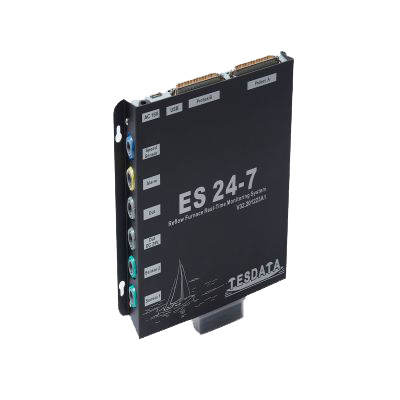
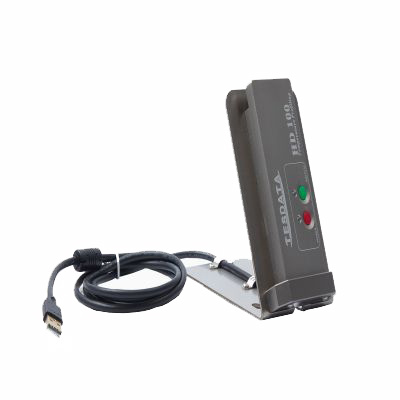
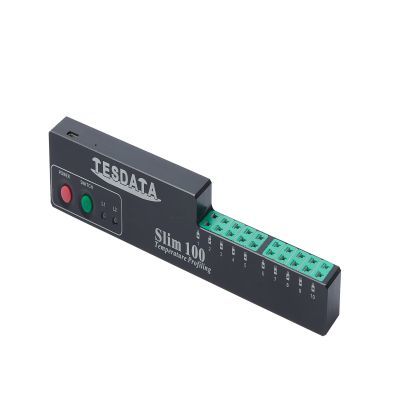
Overview of the key features and functions of the Furnace Tester The “Furnace Tester” is an indispensable tool in industrial production and laboratory research. It helps us to control every detail of the heating process through precise temperature measurements. But do you know how to use a furnace tester? Today, we'll take a closer look at the key features and functions of the Furnace Tester to help you better understand and use the device. The Basic Construction of a Furnace Temperature Tester A furnace temperature tester usually consists of a temperature measurement probe, a display, a control unit, and other parts. The material and design of the probe affects the accuracy and responsiveness of the measurement, while the display is the window through which you interact with the device. Modern furnace temperature testers may also be equipped with a data logging function so that you can easily track temperature changes for subsequent analysis. Key Features Highly Accurate Measurements In many high-temperature applications, small changes in temperature can affect the final result. The Furnace Temperature Tester utilizes a high-performance sensor to ensure accurate measurements. You imagine that a small temperature deviation can lead to a huge difference in product quality, making it especially important to use a high-precision furnace temperature tester. Fast Response Time Another key feature of an oven temperature tester is its fast response time. For many manufacturing processes, fast access to temperature data means the ability to make timely adjustments to the temperature control system. Imagine if your furnace temperature changed and you were slow to respond, it could cause the entire production process to suffer. Versatility Modern furnace temperature testers are not just limited to temperature measurement. Many models also have integrated data logging, temperature profile display, alarm functions and more. You can monitor temperature changes in real time and even sound an alarm when the temperature reaches a set value. This versatility makes operation more convenient and allows the user to have a more complete picture of the furnace's operating status. How to Use Furnace Temperature Tester Step 1: Preparation Before using the furnace temperature tester, you first need to make sure that the device is properly connected and the probe is in good working condition. You'll want to check that the batteries are sufficient or that the device is connected to a stable power source. After all, a device that doesn't work is no more advanced. Step 2: Setting the Parameters You may ask, how to use the furnace temperature tester? Actually, setting the parameters is the first step. According to your actual needs, choose the appropriate measurement mode and target temperature. The manual of the device usually provides detailed setup steps, just follow the steps. Step 3: Measure the temperature Place the temperature probe at the location in the furnace that you need to monitor, and make sure there is a proper distance from the furnace wall or other heating elements so as not to affect the measurement results. At this point, the current temperature will be displayed on the screen. You can observe the temperature change in real time and make adjustments accordingly. Step 4: Record Data Many furnace temperature testers are equipped with a data logging function. You can save the key temperature data for subsequent analysis and comparison. For many scientific research and industrial applications, this step is also crucial. Safety Precautions Safety should not be overlooked when using an oven temperature tester. Always wear appropriate personal protective equipment and ensure that the operating environment is well ventilated. Also, avoid direct contact with hot surfaces to prevent burns. Summary As an efficient and accurate measurement tool, furnace temperature tester is widely used in industrial and scientific research fields. By understanding its key features and the correct way to use it, you can give full play to its advantages in your work and improve productivity and product quality. Whether it is high temperature metal melting or material property testing, furnace temperature tester is your right-hand man.

MORE

Furnace Temperature Tester Best Practices and FAQs

2024-09-27

Best Practices and FAQs for Furnace Temperature Testers Furnace temperature testers play a significant role in industrial production and scientific research experiments. Whether it is heat treatment of metal materials or firing of ceramics, accurate control of furnace temperature is the key to ensure product quality and process stability. So, how to use the furnace temperature tester? In this article, we will analyze the best practices and frequently asked questions of furnace temperature testers to help you better master this equipment. The basic structure and principle of furnace temperature tester First, let's understand the basic construction of a furnace temperature tester. It usually consists of a sensor, a display, a control unit and other parts. The sensor is responsible for obtaining the temperature data inside the furnace, the control unit processes the data and finally displays the results on the monitor. It can be said that the furnace temperature tester is like a “temperature detective”, always monitoring the temperature changes in the furnace. Furnace temperature tester how to use So, how to use the furnace temperature tester? Actually, it is not complicated to use. First of all, you need to place the sensor in the right place in the furnace to ensure that you can accurately obtain the temperature of the core area. Generally speaking, the temperature sensor should be placed in the center of the furnace chamber, avoiding close to the furnace wall or other heat sources, so that it can reflect the accurate temperature. Next, turn on your furnace temperature tester and set your target temperature and measurement period. Many instruments have preset modes for convenience. Then, perform real-time monitoring of the data. You'll notice that over time, the temperature gradually rises until it reaches the set point. At this point, the instrument will alert you to help you adjust the oven temperature in time. Best Practices There are several best practices that can help you improve accuracy and stability when using an oven temperature tester. 1. **Periodic Calibration**: To ensure the accuracy of your measurements, it is recommended to calibrate your oven temperature tester periodically. A standard thermometer can be used for comparison to ensure that deviations are within acceptable limits. 2. **Pay attention to the environmental conditions**: The performance of the Furnace Temperature Tester is affected by the surrounding environment, such as humidity and air pressure. Ensuring that the equipment is used in a suitable environment can extend its service life. 3. **Reasonable choice of measurement points**: According to the type of furnace and process requirements, it is crucial to choose measurement points reasonably. Multi-point measurement can improve the accuracy and reliability of data. 4. **Record data**: After each test, remember to record the data. This not only helps in subsequent analysis, but also provides reference for optimization of the production process. Frequently Asked Questions In the process of using the furnace temperature tester, it is inevitable to encounter some problems. Here are some common questions and their answers: 1. What if the furnace temperature tester does not display data? First of all, check whether the power supply is normal and whether the cable connection is loose. If everything is normal, you can try to restart the device, if it still does not display, it may need to be repaired. 2. How to determine whether the temperature reading is accurate? The accuracy of the reading can be verified by comparing it with a standard thermometer. If a large deviation is found, calibration is recommended. 3. How long is the service life of a furnace temperature tester? This usually depends on the frequency of use and environmental conditions. Proper maintenance and regular calibration can effectively prolong its service life. Summarize Mastering the usage and best practices of furnace temperature tester will make your work more efficient and smooth. It can not only improve productivity, but also ensure the quality of your products. In actual operation, pay more attention to data recording and analysis in order to continuously optimize the production process and achieve the desired results. Translated with DeepL.com (free version)

MORE

SHENZHEN TESDATA CO.,LTD Electronic Technology Co.

2024-09-17

A comprehensive introduction to furnace temperature testers In modern industrial production, accurate temperature control is the key to ensure product quality. And the furnace temperature tester as an important measurement tool, favored by many enterprises. So, what is so special about the furnace temperature tester of Shenzhen Huiyimiao Electronic Technology Co. Today, we will explore this topic in depth, and teach you how to use the furnace temperature tester. What is a furnace temperature tester? Furnace temperature tester is a device used to measure, monitor and record the temperature inside the industrial furnace. It can help engineers to understand the temperature changes in the furnace in real time, so as to adjust the production process in time to ensure that the products are qualified. Imagine without such a device, how would you know if the temperature in the furnace is up to standard during the production process? It's like groping your way in the dark, and mistakes will inevitably occur. How the furnace temperature tester works A furnace temperature tester senses temperature changes mainly through thermocouples or RTDs. Simply put, it is like a sensitive detective that can quickly capture temperature changes in the environment and feed the data back to the operator. Such technical advantages make the furnace temperature tester widely used in many fields, such as metal smelting, ceramic firing and so on. Advantages of Furnace Temperature Tester 1. **High-precision Measurement**: Furnace temperature testers usually use high-precision sensors, which can accurately measure the temperature and work stably even in extreme environments. 2. **Real-time monitoring**: Through the data acquisition system, the operator can view the temperature data in real time and make timely adjustments. This is like checking the speed and fuel level on the dashboard from time to time during driving to avoid accidents. 3. **Data Recording**: Many models of furnace temperature testers also have a data recording function, which can record the temperature change process for subsequent analysis. This is like adding a layer of insurance to your production process, so that you have a clear picture of every aspect. How to use the furnace temperature tester? Next, let's talk about “how to use an oven temperature tester”. Using an oven temperature tester isn't complicated, but it's important to make sure that every step of the process is done correctly. Step 1: Preparation First of all, make sure that you have enough batteries in your hand, or connected to the power supply. At the same time, check whether the device's sensor is intact to avoid inaccurate measurements due to equipment failure. Step 2: Install the sensor Install the thermocouple or RTD in the appropriate location inside the furnace to ensure that it can accurately sense the temperature inside the furnace. This process is like filling up your new car with gas; incorrect placement may prevent you from traveling smoothly. Step 3: Data Monitoring Turn on the furnace temperature tester and start monitoring the data. Often the instrument will display real-time temperature changes on the screen, and the operator will need to keep an eye on this data to adjust the furnace temperature in a timely manner. It's like playing a real-time temperature game, and you need to react at the right time. Step 4: Record and analyze data At the end of production, use the recording function of the equipment to export and analyze the temperature data. This step is very important because it can help you identify potential problems in production, just like a doctor doing a physical examination for a patient, to find and solve hidden problems in time. Step 5: Maintenance and Repair Finally, regular maintenance of the furnace tester ensures the long-term stability of the equipment. This is like maintaining your beloved car, only in this way can it accompany you for a longer time. Summarize In industrial production, furnace temperature tester is undoubtedly an essential tool. Through real-time monitoring and data recording, it provides enterprises with the guarantee of temperature control. I hope that after understanding the working principle and use steps of the furnace temperature tester, you will be able to swim in the actual operation to ensure product quality.

MORE
< 1234...10 >