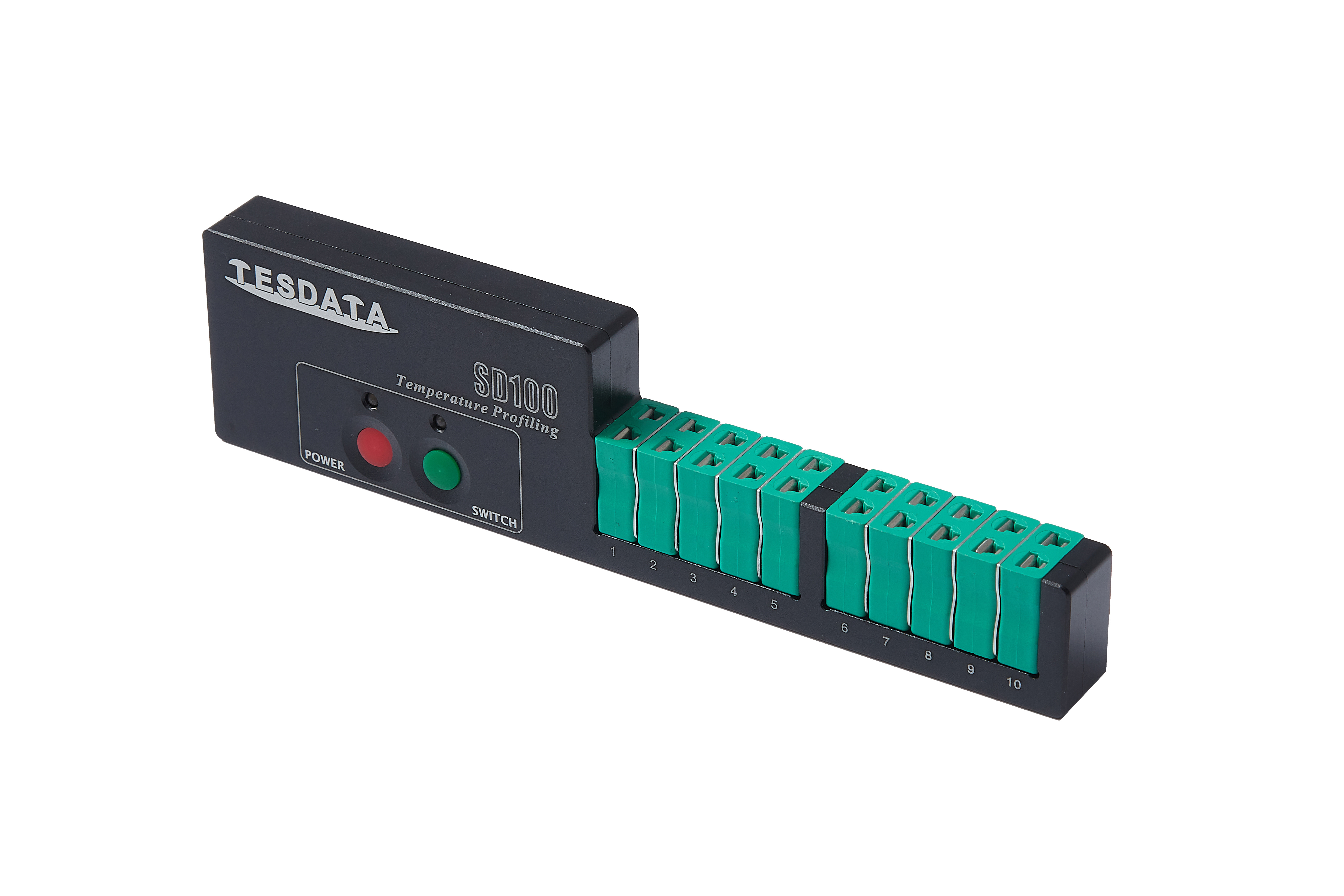
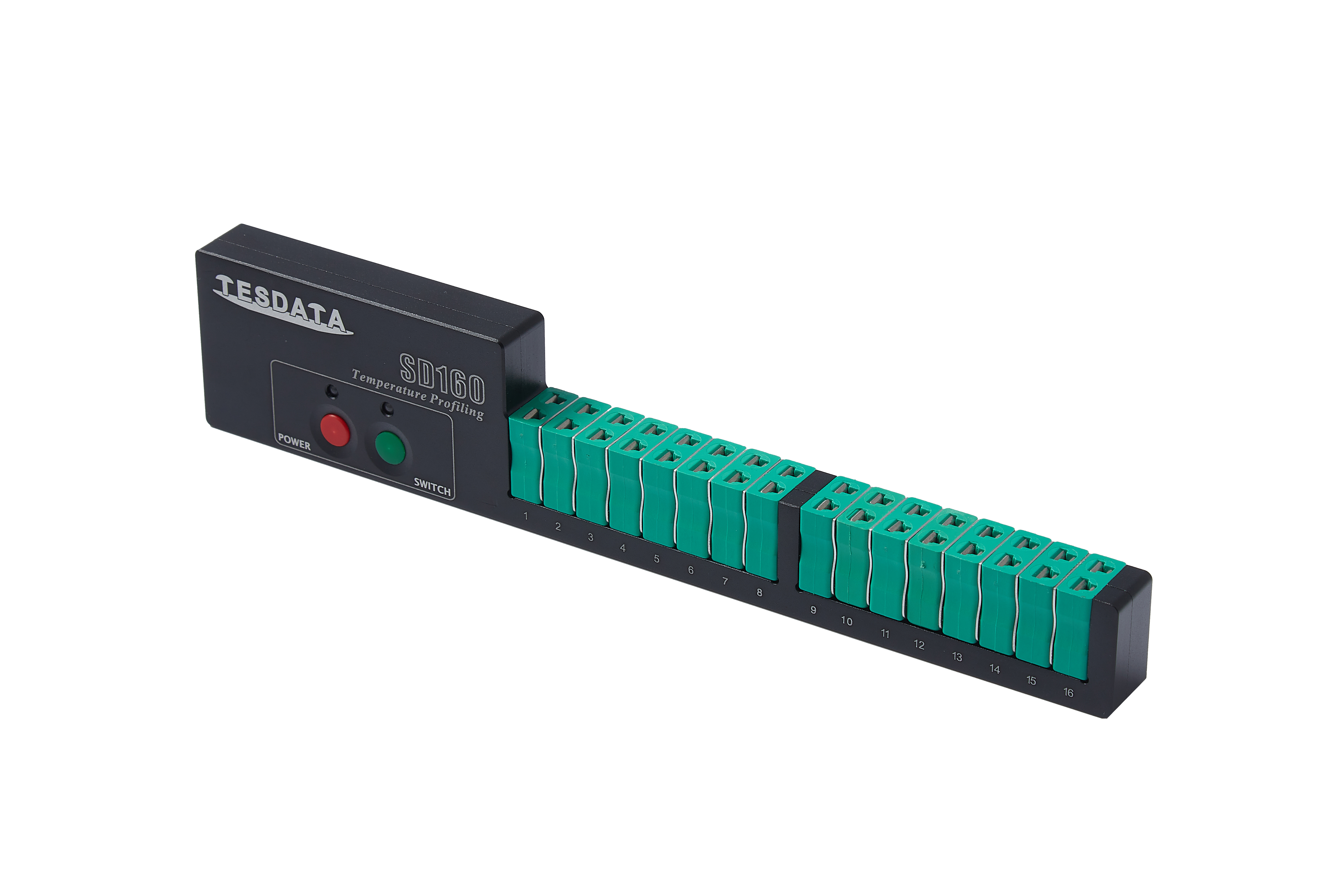
Furnace temperature tester use skills and attention to detail
2024-09-07
Furnace temperature tester use skills and attention to detail
In industrial production, furnace temperature tester is one of the indispensable tools. It not only helps us to monitor the temperature change of the furnace, but also ensures the quality of the products in the high temperature environment. Do you know? How to use the furnace temperature tester is not just a simple measurement, it also involves some skills and precautions. Next, we will talk about these elements, so that you are more comfortable in the use of furnace temperature tester!
First, understand the basic structure of the furnace temperature tester
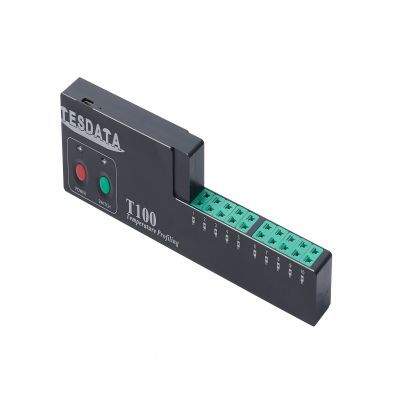
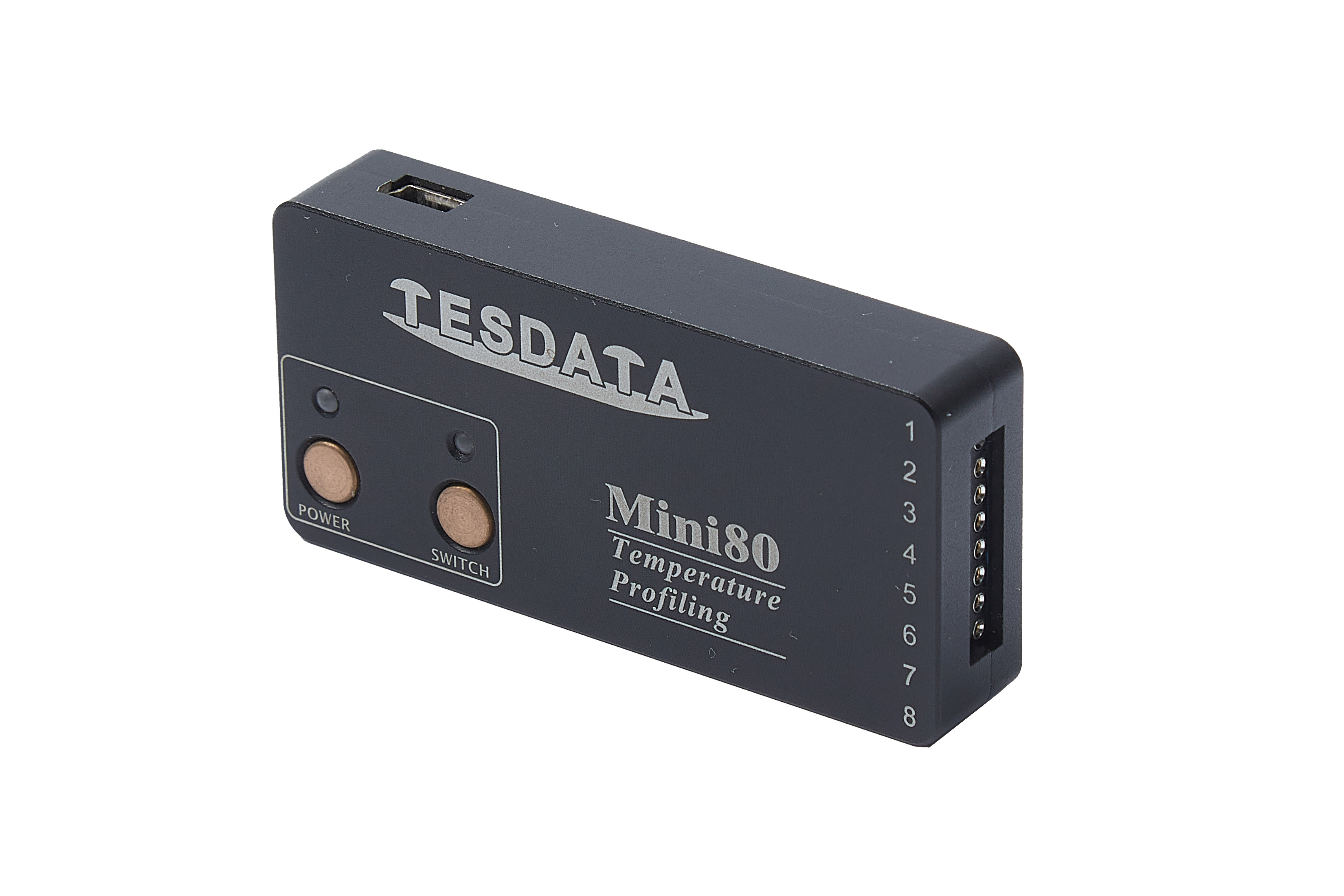
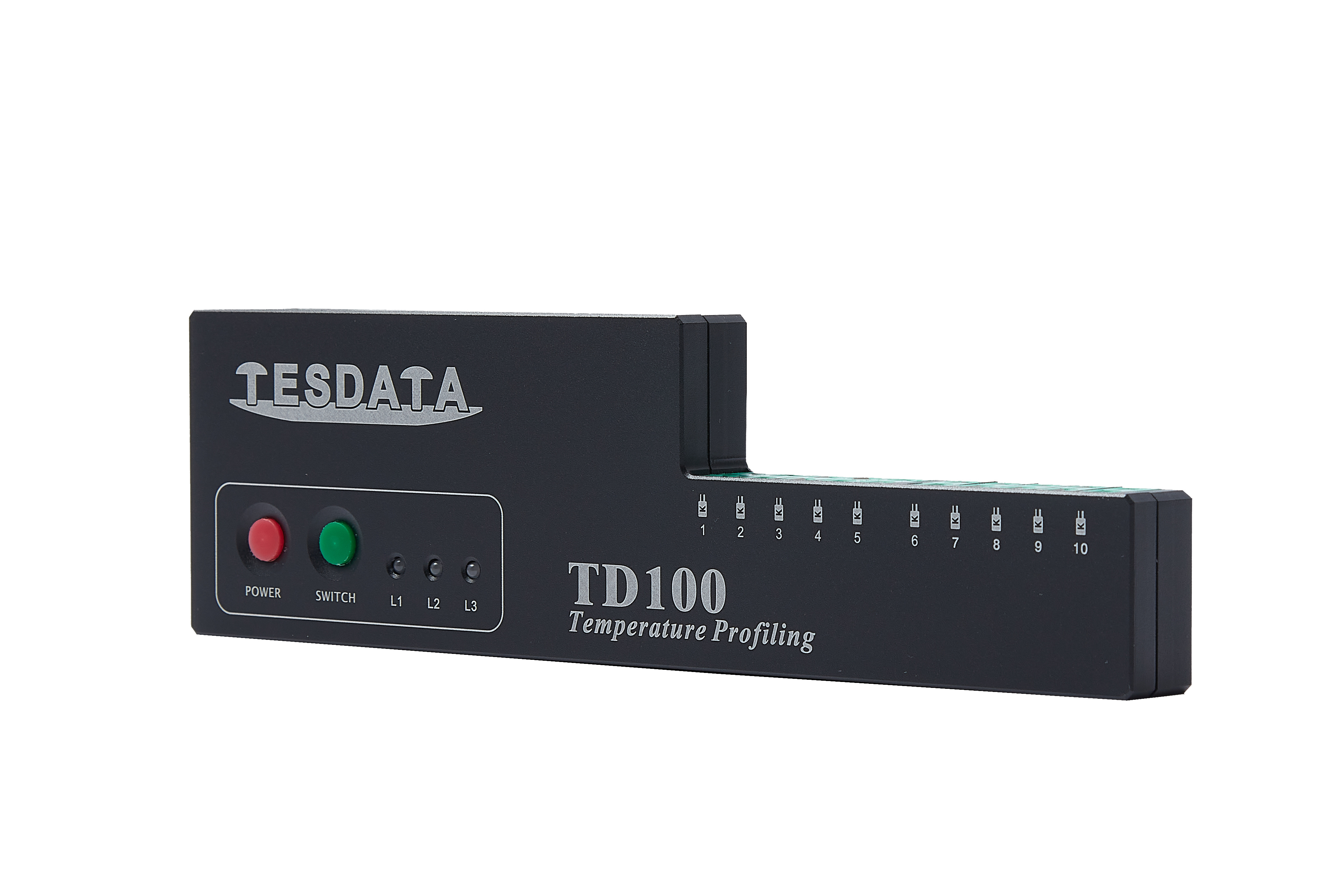
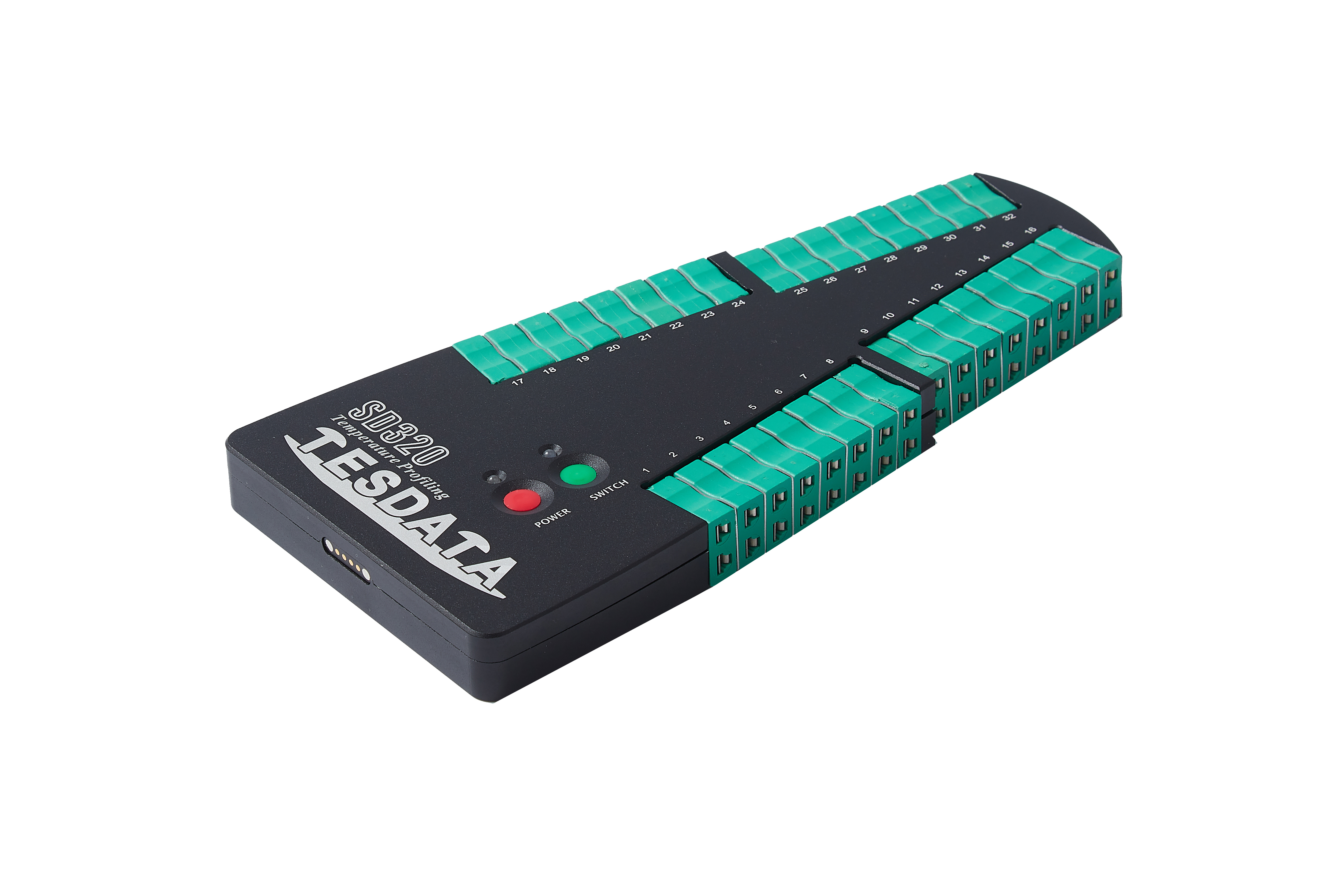
First of all, we have to have a general understanding of the structure of the furnace temperature tester. Usually, the furnace temperature tester by the sensor, display, power supply and data logger and other components. The sensor is the key, it is responsible for converting the temperature signal into electrical signal, and then through the display to show.
Imagine if your body is a furnace and the temperature sensor is your thermometer. If the thermometer is broken, how can you know if you have a fever? So, it is crucial to ensure the effectiveness of the sensor.
Second, how to use the furnace temperature tester?
Next, let's look at the specific steps to use it. First, make sure that the furnace temperature tester you choose is suitable for the type of furnace you are using. Different types of furnaces may require different types of temperature measuring instruments.
1. **Preheat the instrument**: Before formal use, it is usually necessary to preheat the furnace temperature tester to working condition. This step is very important and cannot be omitted.
2. **Place the sensor**: Place the sensor in a suitable position inside the furnace, make sure it can touch the temperature area to be measured. Here is a tip: try to place the sensor in the center of the furnace, so that the temperature obtained is more representative.
3. **Read the data**: When the instrument has stabilized, check the temperature data on the display. You can record the data to form a temperature graph. This will be helpful for subsequent analysis and adjustment.
4. **DATA LOGGING**: If your furnace tester comes with a data logging function, remember to turn it on. This is very beneficial to the later temperature control and analysis.
Third, pay attention to details
In the process of using the furnace temperature tester, there are some details that need special attention.
1. **Avoid excessive interference**: In the measurement process, try to avoid interference with the furnace temperature tester. For example, do not open and close the furnace door frequently, so as not to affect the stability of the temperature.
2. **Periodic calibration**: Furnace temperature testers need to be calibrated periodically to ensure the accuracy of their measurements. Imagine if your thermometer is not accurate every time, how can you trust its results? So, regular calibration is very essential.
3. **Safety First**: When operating a hot stove, it is important to be safe. Wear proper protective equipment to avoid burns and other accidents.
4. **Environmental Influences**: Factors such as ambient temperature and humidity of the furnace will also have an effect on the test results. Considering these factors when recording data can improve the accuracy of the results.
IV. Frequently Asked Questions
In the process of using the furnace temperature tester, it is inevitable to encounter some problems. For example, many people will ask: “How to use the furnace temperature tester will not be wrong?” In fact, the key lies in meticulous operation and regular maintenance. In addition, for some special furnaces, it is extremely important to refer to the instruction manual.
Sometimes, you may find that the temperature data fluctuates a lot, don't worry, it may be caused by changes in the external environment. Stay calm, carefully troubleshoot the problem, and once you find the cause, adjust your operation and you can effectively avoid this situation.
Summarize
Through the above introduction, I believe you have a deeper understanding of how to use the furnace temperature tester. Mastering these usage skills and paying attention to details can help you improve your work efficiency and ensure product quality.
Remember, details determine success or failure. Every small step may affect the final result, so take it seriously in every measurement. I hope you can utilize the furnace temperature tester to bring better results for your production in the future!
MORE